
Dr. Seun Sowemimo explains the causes, risks and treatment of umbilical hernias for patients across New Jersey.
By Dr. Seun Sowemimo | Board-Certified Hernia Surgeon Specialist
As a board-certified hernia surgeon serving Central New Jersey, I have performed thousands of safe and successful minimally invasive, laparoscopic hernia repair operations since I opened my surgery practice in 2010.
An umbilical hernia occurs when a small section of tissue or intestine pushes through a weak spot in the abdominal wall near the belly button. For many adults, it first appears as a soft bulge at or around the navel that becomes more noticeable when coughing, straining or standing.
While some umbilical hernias remain small for years, others enlarge over time and may eventually require surgical repair to prevent complications.
What Is an Umbilical Hernia and Why Does It Occur?
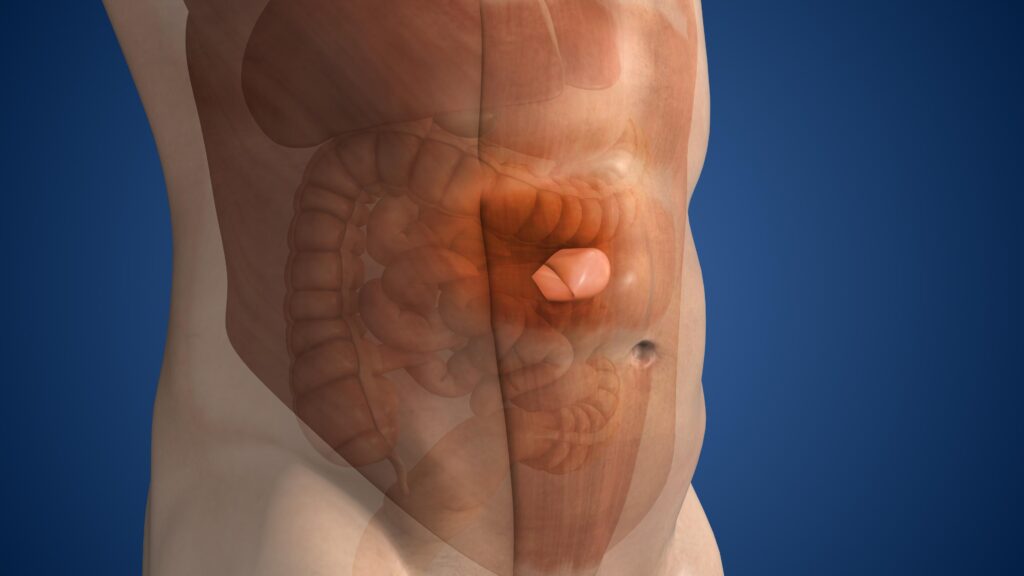
Umbilical hernias develop when a weakness forms in the abdominal wall where the umbilical cord once passed during fetal development. Over time, pressure inside the abdomen can push tissue through that weakened area.
In adults, common contributing factors include:
-
Pregnancy or postpartum abdominal changes
-
Weight gain or obesity
-
Chronic coughing
-
Heavy lifting or straining
-
Fluid buildup in the abdomen
-
Previous abdominal surgery
Pregnancy deserves special mention. Many women notice a small bulge near the belly button during or after pregnancy as the abdominal muscles stretch to accommodate a growing uterus. While some postpartum hernias remain small, others persist and gradually enlarge.
Patients searching for an umbilical hernia surgeon in NJ often begin their evaluation after noticing this visible change.
Symptoms That Suggest an Umbilical Hernia
The most recognizable symptom is a soft bulge near the belly button that may flatten when lying down.
Other symptoms may include:
-
Mild pain or pressure at the navel
-
Discomfort when lifting or exercising
-
Tenderness around the bulge
-
A feeling of heaviness in the abdomen
In many cases, early symptoms are mild, which is why some people delay evaluation.
However, waiting too long can increase the risk of complications.
READ: The Good News About Your Hernia Surgery
The Risks of Ignoring an Umbilical Hernia
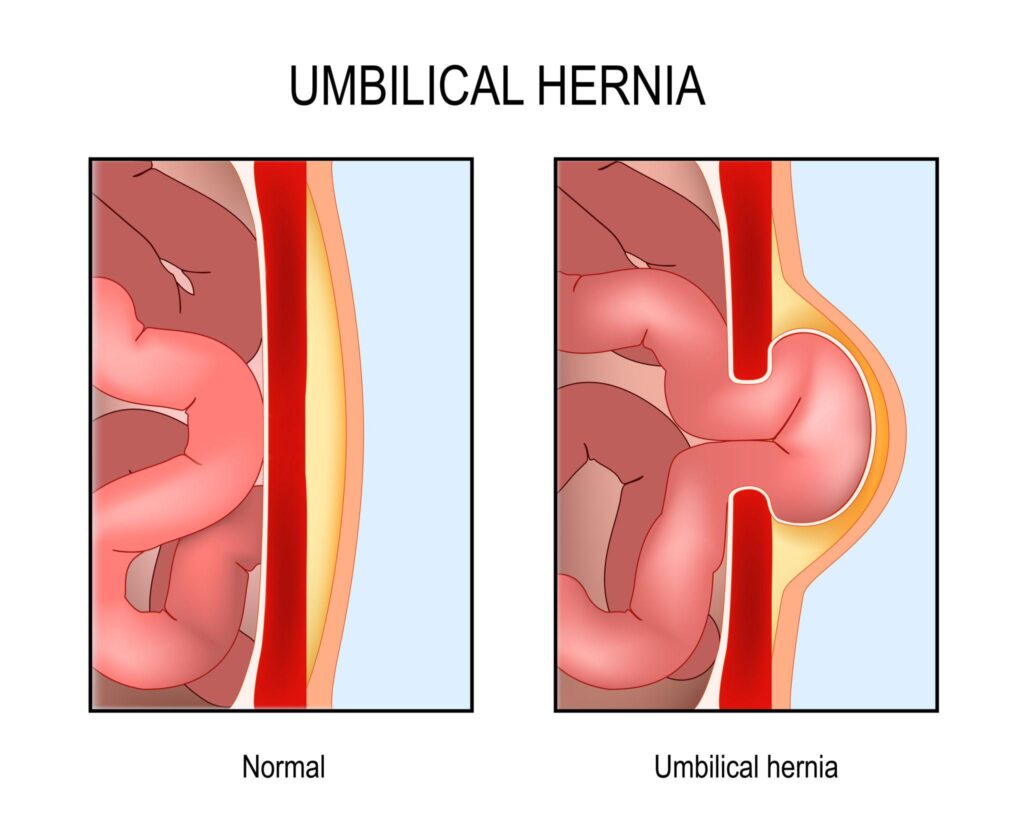 One of the most important things patients should understand is that umbilical hernias rarely resolve on their own in adults.
Over time, the opening in the abdominal wall can enlarge, allowing more tissue to protrude.
In some cases, the hernia can become incarcerated, meaning the tissue becomes trapped outside the abdominal wall. When this occurs, the bulge may become firm, painful and difficult to push back in.
A more serious complication is strangulation, when the blood supply to the trapped intestine becomes compromised. This is a surgical emergency and can lead to tissue damage or infection if not treated promptly.
For this reason, early evaluation is often the safest approach.
READ: Hundreds of 5-star Google reviews by Dr. Sowemimo’s recent hernia surgery patients
Minimally Invasive Umbilical Hernia Repair
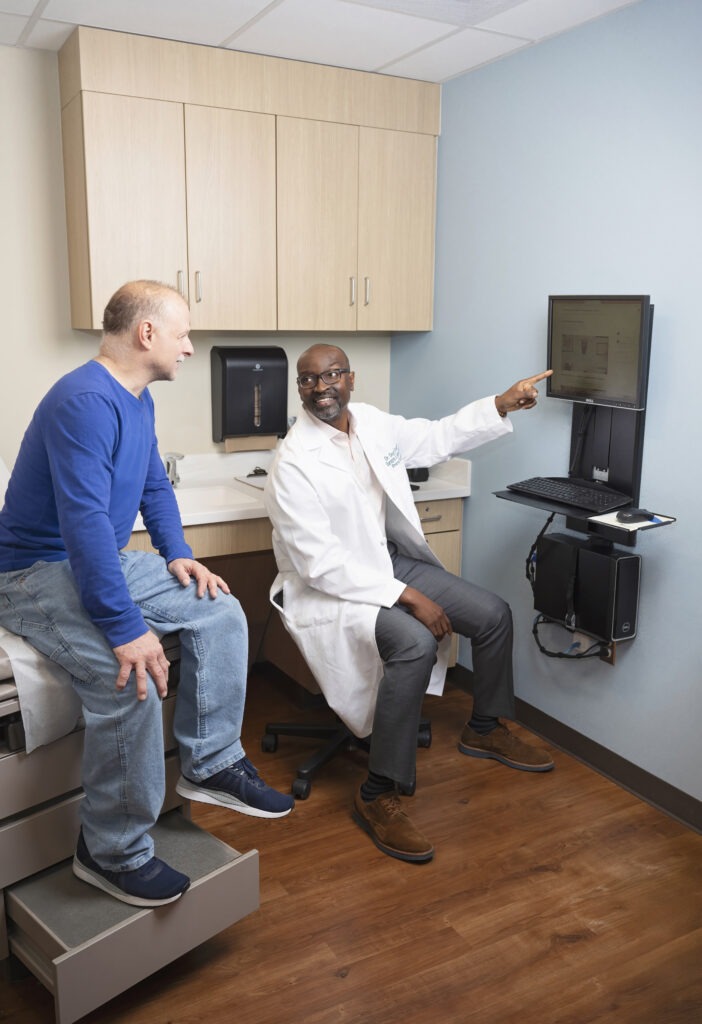
For patients who require treatment, minimally invasive laparoscopic hernia repair is often an effective surgical option.
This approach uses small incisions and specialized instruments to repair the weakness in the abdominal wall. In many cases, a surgical mesh is used to reinforce the area and reduce the risk of recurrence.
Benefits of laparoscopic repair may include:
-
Smaller incisions
-
Less postoperative discomfort
-
Faster recovery
-
Earlier return to normal activity
Patients traveling from Monmouth County, Middlesex County, Ocean County and Mercer County frequently seek care at Prime Surgicare for this type of advanced surgical treatment.
Learn more about treatment options on our hernia surgery page:
https://primesurgicare.com/hernia-surgery/
When to See an Umbilical Hernia Surgeon in Central NJ
If you notice a new bulge near your belly button, especially one that changes in size or causes discomfort, it is wise to schedule a medical evaluation.
Early consultation allows a surgeon to determine:
-
Whether the bulge is truly a hernia
-
Whether surgical repair is recommended
-
The safest treatment approach for your specific case
Schedule a Prompt Consultation With Dr. Seun Sowemimo
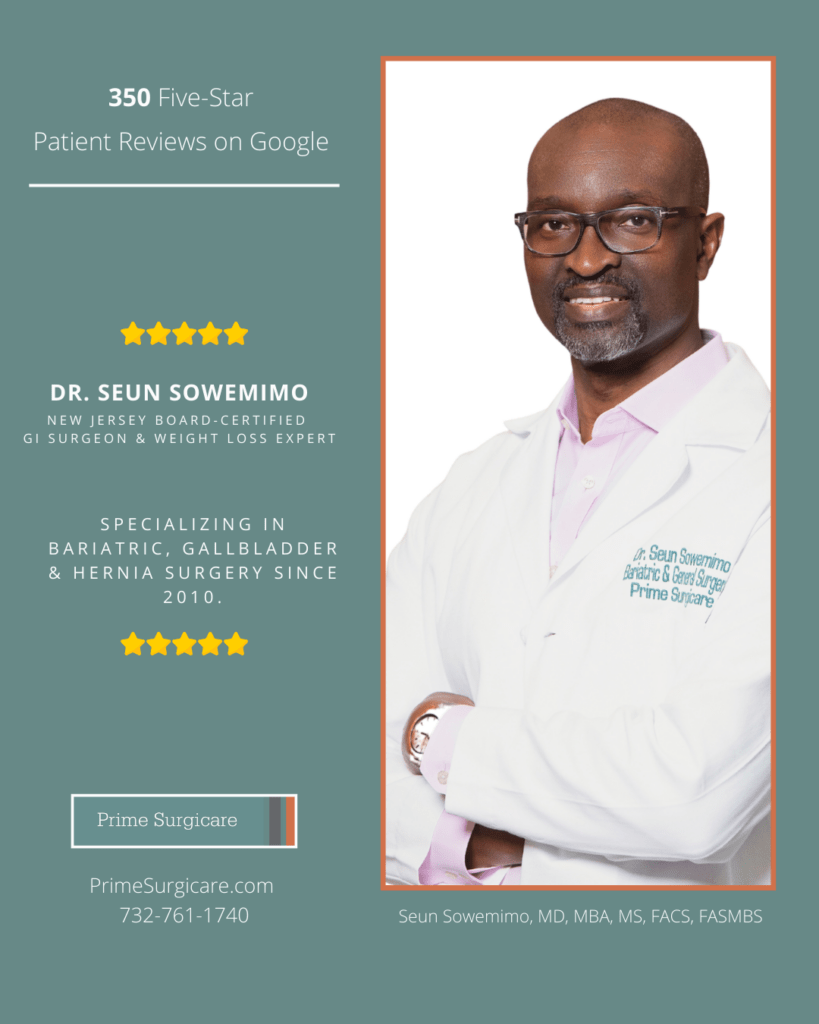
Dr. Seun Sowemimo is a New Jersey board-certified bariatric and gastrointestinal surgeon specializing in minimally-invasive hernia surgery, gallbladder surgery and bariatric surgery (gastric sleeve, gastric bypass, lap band removal and bariatric revision.) Through Prime Surgicare, he treats patients throughout Central New Jersey, including Monmouth, Middlesex, Ocean and Mercer counties.
To schedule a prompt consultation:
Book your appointment directly online:
https://calendly.com/drseuns/consultation?month=2026-03
Call: 732-761-1740
Early evaluation can help prevent complications and determine whether minimally invasive repair is the right solution.