
Why fall stress can trigger fatigue, weight gain and poor sleep–how to stop it before it derails your health
By Dr. Seun Sowemimo – Medical Director
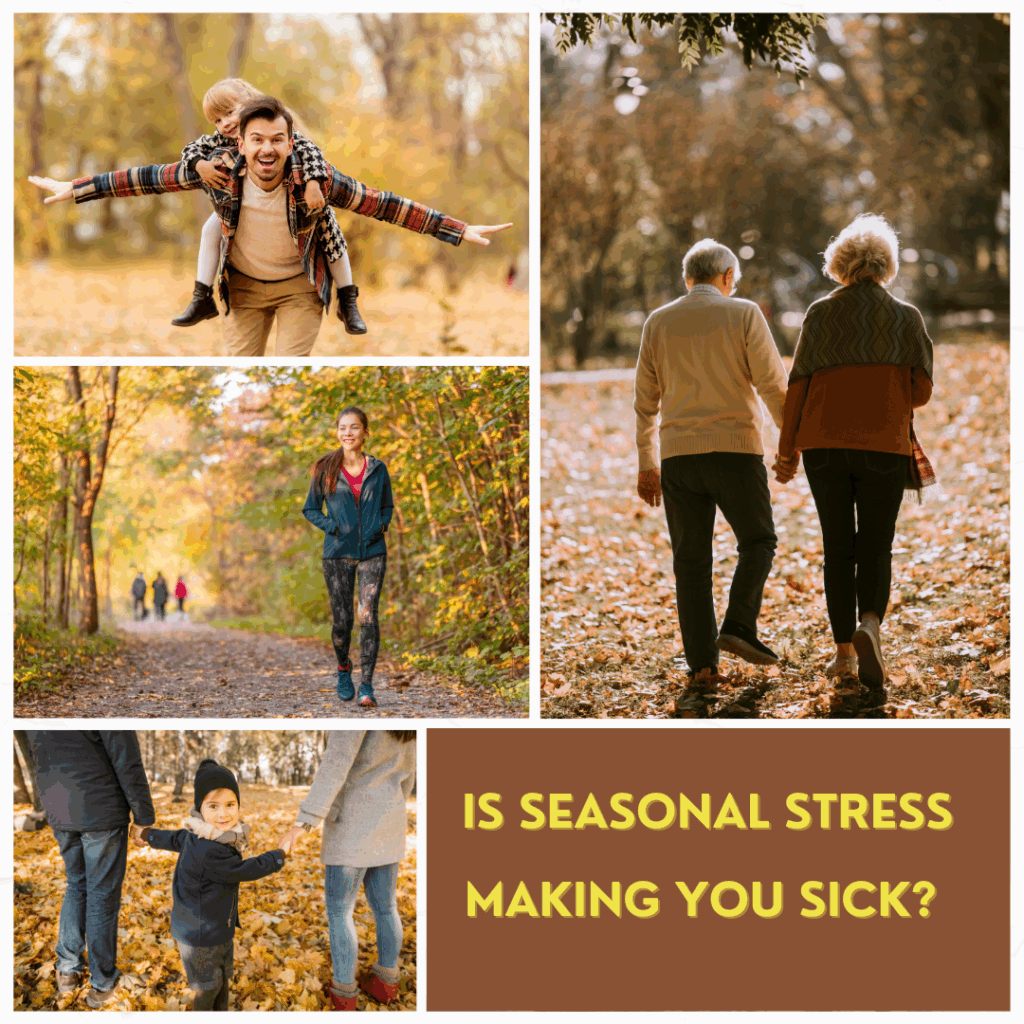
The transition from summer’s easy pace to fall’s packed calendar can feel like hitting the fast-forward button on life. Suddenly, days are filled with school schedules, deadlines, family obligations, political strife and even the early stirrings of holiday planning.
For many adults, this whirlwind triggers stress that shows up in unexpected ways—chronic fatigue, cravings for bad food, restless sleep, or even a short fuse.
While it’s tempting to reach for comfort food, that quick fix usually leaves us feeling worse. Below, I offer five less-obvious suggestions to offload the weight of stress and allow you to take back control.
1. Get Out of the House or Office
You don’t need a plane ticket or days off to feel renewed. Just break-up the routine. Take a “micro-adventure”– watch a sunrise at a local park, explore a new street you’ve never walked, or have a casual Sunday evening picnic in your backyard instead of cooking a big meal. Small shifts break your routine, give your brain a reset, and create a sense of novelty and distraction—both proven to reduce stress.
2. Practice “Micro-Movements” Throughout the Day
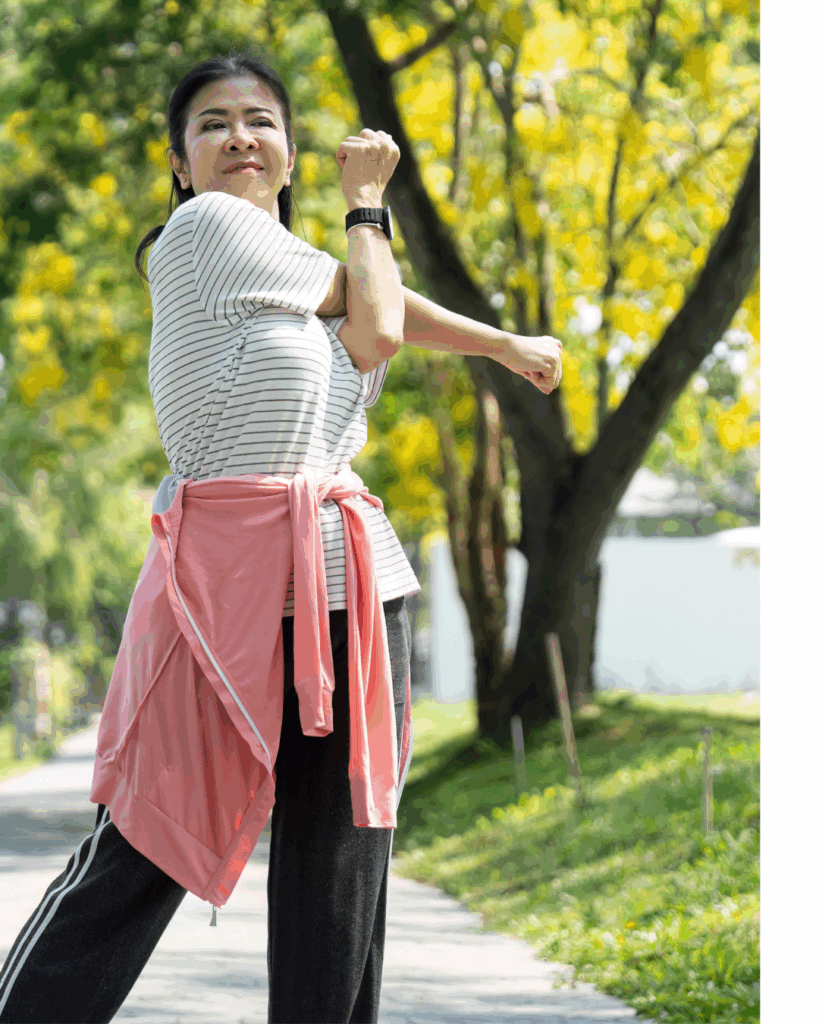
Instead of aiming for one long workout you may not have time for, sprinkle short bursts of movement into your schedule. Take a 5-minute stair climb between Zoom calls, do some reach-and-bend stretches while you’re waiting, or walk around the block after picking up the kids–all by yourself. Research shows that consistent micro-movements can reduce stress hormones just as effectively as longer workouts.
3. Start a “No-List” Journal
Fall often feels like one continuous to-do list. Flip the script by keeping a “no-list”—a running log of things you intentionally say ‘no’ to. Maybe it’s declining a weekend event you don’t enjoy or skipping the extra committee at work. Seeing what you’ve chosen to release reinforces boundaries and reduces the guilt that fuels chronic stress–a serious threat to your short-and long-term health.
4. Tap Into Seasonal Produce for Stress Relief
Autumn foods like pumpkin, sweet potatoes, apples, and dark leafy greens aren’t just delicious—they’re packed with magnesium, fiber, and antioxidants that naturally calm your nervous system. Cooking a simple fall recipe at home not only nourishes your body but also provides a mindful, hands-on activity that lowers stress and brings pleasure to the people you love.
5. Create a “Transition Ritual” Each Evening

One of the most overlooked stressors is carrying work and daily worries into the night. (I know, easier said than done.) But taking back control by initiating a simple ritual—a short walk after dinner, lighting a candle on your patio and enjoying the evening silence—signals your brain to switch from “doing” to “resting.” Over time, this practice strengthens resilience and helps you to fall asleep quicker and rest more deeply.
Discover Food-Free Rewards to Enrich Your Life After Weight Loss
The Takeaway

Take back control from the season. Don’t allow it to become a whirlwind of stress, exhaustion and cravings for bad food. By trying out new approaches to offset stress—whether it’s a micro-adventure, daily movement moments, or a ‘no’ list—you can build healthier coping tools that enrich your life and strengthen your resilience.
At Prime Surgicare, we believe in a balanced approach where nutrition and physical activity work hand in hand to support your lifelong health & well-being. As we welcome a new season, let’s focus on nourishing our bodies and minds through thoughtful eating and regular movement.
Combined, you are building a resilient platform that will weather any storm.
Cheers to your good health,