
A simple truth that could change how you think about heart health, inflammation, and weight gain—plus the video that breaks it all down.
By Dr. Seun Sowemimo
For decades, we’ve been told one thing: Cut the fat. Swap the eggs for cereal. Throw out the full-fat yogurt. Choose low-fat everything. And yet, since the 1980s—when low-fat diets went mainstream—obesity tripled and heart disease continued to climb.
Something never added up.
It turns out fat was never the real villain. The real danger is the inflammatory environment that certain foods create inside your body—an internal fire that affects everything from blood sugar to weight gain to long-term metabolic health.
Below, I’ll break down the truth I share in the video: why some fats set off a 5-alarm inflammatory fire… and others do the opposite.
The Real Problem Isn’t Fat — It’s Inflammation
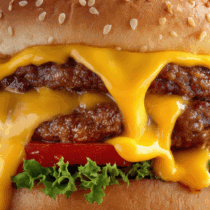 When most people think “high-fat food,” they picture bacon, butter, cheese, and fried foods. That’s not just fat—those foods are loaded with saturated fat and often combined with salt, refined carbs, and preservatives. Together, they trigger inflammation, oxidative stress, and insulin spikes.
This is the environment that damages blood vessels, disrupts metabolism, and slows weight loss.
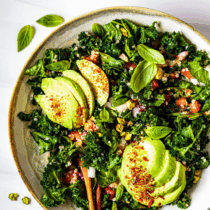
Now compare that to avocados, nuts, seeds, olives, salmon, or extra-virgin olive oil. These foods also contain fat—but it’s the kind that delivers antioxidants, fiber, omega-3s, and steady, stable energy. They reduce inflammation rather than fuel it.
Same macronutrient. Totally different impact on your body.
Why Low-Fat Diets Backfired
When the country shifted to low-fat eating, food manufacturers didn’t remove the sugar, processing, and chemical additives—they just removed the fat and added more refined starches to make food taste better.
This created a generation of “low-fat” products that were actually high inflammation bombs.
Inflammation rises → hunger rises → metabolic health drops → weight increases.
And the cycle continues.
Ask This Question Instead: “In What Food?”
Fat isn’t good or bad on its own.
The better question is:
What’s the overall food delivering that fat?
Is it fueling inflammation—or cooling it?
Once you shift the way you ask the question, you shift the way you eat.
Watch the Video: The Foods Killing Us Aren’t Just High in Fat
In this short video below, I break down the major differences between inflammatory fats and protective fats, and how this one distinction can dramatically change your weight, energy, and health.
Wishing you better health, every day.
Dr. Seun