
Your home environment may be the most overlooked driver of long-term weight management, metabolism and positive daily habits.
By Dr. Seun Sowemimo
Is Your Home Working for Your Health—or Against It?
Patients often focus on diet plans, medications, or surgery as the primary drivers of weight loss. Those tools matter. But what consistently separates short-term results from long-term success is environment.
In the world’s healthiest populations—often referred to as Blue Zones—daily life is structured to make movement, connection, and mindful eating automatic. Not forced. Not scheduled. Built in. (Source: Blue Zones Project)
You can replicate that same advantage at home.
Below are five evidence-aligned ways to redesign your living space to support metabolism, reduce sedentary behavior, and reinforce healthy decisions without constant willpower.
1. Grow and Care for Your Own Plants or Garden

Even minimal gardening changes behavior. It gets you outside, increases light exposure, and builds a routine around care and consistency.
More importantly, it subtly shifts food choices. People who grow herbs, vegetables, or even small indoor plants are more likely to cook at home and incorporate whole foods into meals.
Start simple:
- Kitchen herbs (basil, parsley, mint)
- A small raised garden bed
- Indoor plant care routine
This is less about “gardening” and more about daily engagement with living systems—something most modern homes lack.
Best of all, working in the garden bends your body and burns a surprising number of calories–all while doing something enjoyable!
2. Welcome a Dog Into Your Home

This is one of the most practical and effective behavior changes.
Dog ownership creates non-negotiable movement:
- Morning walks
- Midday breaks
- Evening activity
It also introduces accountability and emotional regulation—both tied to clinically-proven improved weight control and lower stress-related eating.
Not in a position to own a dog? Offer to help out a friend or neighbor who is away and needs a dog walker. They will appreciate your generousity more than you know!
3. Place Cushions on the Floor
This is a simple but powerful environmental shift.
When you sit on the floor:
- You naturally engage core and stabilizing muscles
- You stand up and sit down more frequently
- You reduce prolonged passive sitting
In Blue Zone cultures, floor sitting is common—and it builds strength, mobility, and joint health without structured exercise.
Replace one seating area (TV room, reading corner) with floor cushions. The effect is subtle but cumulative.
4. Keep Moving at Home
Most homes are designed for convenience and minimal effort.
Reverse that.
Create frictionless movement:
- Keep walking shoes visible and accessible
- Keep hand weight visible near your TV – pick them up for a few sets
- Store bikes where they are easy to grab—not hidden
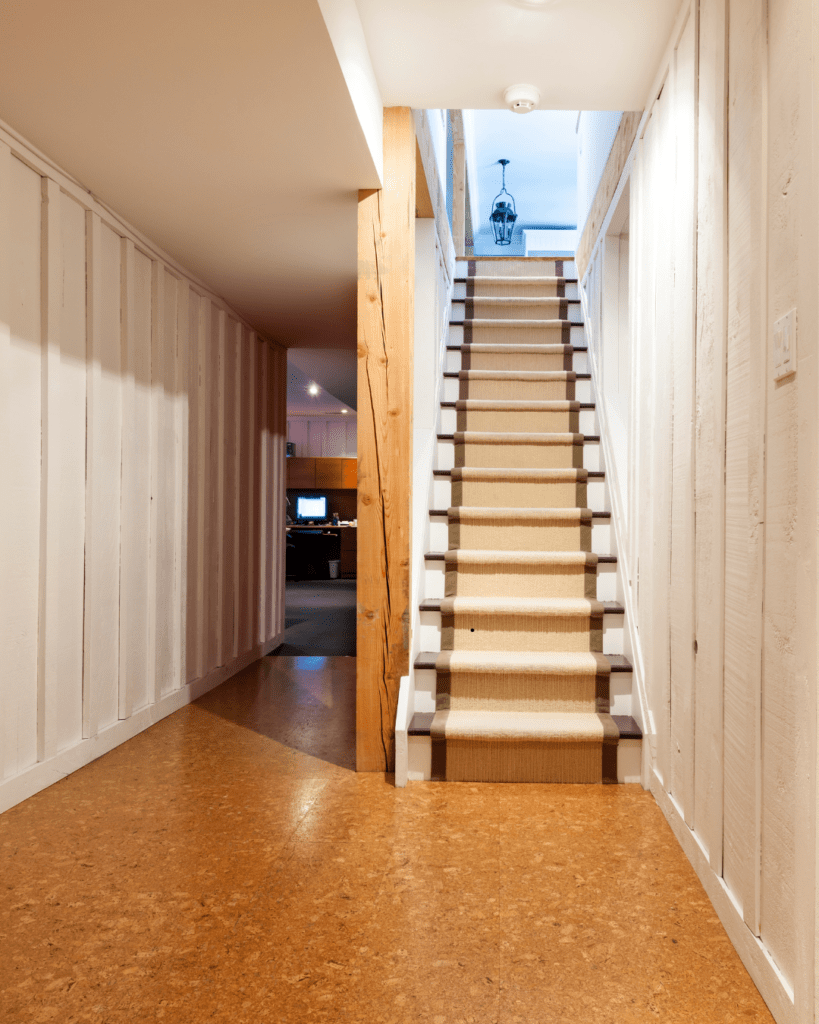
- Use stairs agressively–so long as your stair treads are safe, climb them with intention and vigor.
- Perform a whole house clean-up and make it a cardio workout.
The goal is not more “workouts.” It is more movement throughout the day—what drives long-term metabolic health. (Supported by research on non-exercise activity thermogenesis, Mayo Clinic)
5. Buy a Bike—or Fix the One You Already Own

Cycling is one of the most sustainable forms of low-impact cardiovascular activity.
Unlike gym routines, it integrates into real life:
- Short errands
- Leisure rides
- Family activity
For patients with joint pain or higher BMI, cycling is often more realistic than running or high-impact exercise.
If you already own a bike, repair it and make it visible. If not, invest in one that fits your environment—comfort matters more than performance.
Give Your Home a Health Check-up
Weight loss is not just about discipline. It is about design.
When your environment supports movement, connection, and whole-food choices, your reliance on willpower decreases—and your results become more consistent.
This is the same principle behind long-term success with bariatric surgery or GLP-1 therapy: tools work best when your daily environment reinforces them.
If your home is structured for inactivity, convenience–and easy access to processed food–it will quietly undermine even the best treatment plan.
Design your space to work with you.

If you’re ready to take a more comprehensive approach to weight management—combining medical expertise with sustainable lifestyle design—schedule a consultation with Dr. Seun Sowemimo at Prime Surgicare online or by calling our team at 732-761-1740.