Fall offers something January cannot: the opportunity to enter 2027 with weight loss momentum already producing measurable results.
By Seun Sowemimo, MD, MBA, MS, FACS, FASMBS
Every January, millions of people make ambitious resolutions to lose weight and improve their health. Unfortunately, many spend the final months of the previous year moving in the opposite direction.
If you’ve taken the time to click on this article I have a strong suggestion–let’s not wait until January 1, 2027, to get your health and weight back on track.
The next 90 days are long enough to improve your daily habits, rebuild strength, address gradual weight gain and better understand what your body may need. The objective is not to “fix everything” before January. It is to begin the new year healthier than you are today.
Start With a Health Assessment—not Another Diet

Before making dramatic changes, take an honest look at your current health.
Consider more than the number on the scale:
- Has your waist measurement increased?
- Are you sleeping poorly or waking without energy?
- Has walking, climbing stairs or exercising become more difficult?
- Are hunger, cravings or food noise interfering with your intentions?
- Have your blood pressure, blood sugar or cholesterol increased?
- Did you regain weight after bariatric surgery or stopping a GLP-1 medication?
These are not evidence of weak willpower. They are useful clinical information.
Obesity is a complex, chronic disease influenced by biology, hormones, environment, medications, sleep, stress and behavior.
Effective weight management demands a personalized strategy—one built around your biology, health history, lifestyle and goals, not a generic diet designed for someone else.
Build Your 90-Day Fall Reset Around Five Commitments
The Centers for Disease Control and Prevention explains that healthy weight loss includes nutritious eating patterns, regular physical activity, adequate sleep and stress management. These elements work together.
For the next 90 days, concentrate on five practical commitments:
- Plan several reliable, nutritious meals you can repeat during busy weeks.
- Prioritize protein, vegetables, fruit and other minimally processed foods.
- Schedule movement instead of waiting until you “find time” to exercise.
- Include strength training, when medically appropriate, to help preserve muscle.
- Establish consistent sleep and mealtime routines.
You do not need to execute every habit perfectly. You need a plan that is realistic enough to repeat.
A missed workout or unplanned meal does not erase your progress. Resume your routine at the next opportunity instead of allowing one decision to become an abandoned week.
Measure Progress Beyond the Scale

Body weight can fluctuate because of hydration, sodium, hormones and digestion. That is why the scale should not be your only measure of progress.
Over 90 days, you may also notice:
- Improved stamina and mobility
- Better sleep and daytime energy
- Fewer cravings
- More consistent meal choices
- Increased strength
- Improved blood pressure or blood sugar
- Clothing fitting more comfortably
These improvements matter. They can also make continued weight loss more sustainable.
If your weight is not changing despite consistent effort, that information matters too. It may be time to evaluate whether a medical condition, medication, hormonal factor or current treatment plan is working against you.
Seek Clinical Weight Loss Guidance Now, If Needed
Some people can make meaningful progress through nutrition, exercise and behavioral changes. Others need additional medical support.
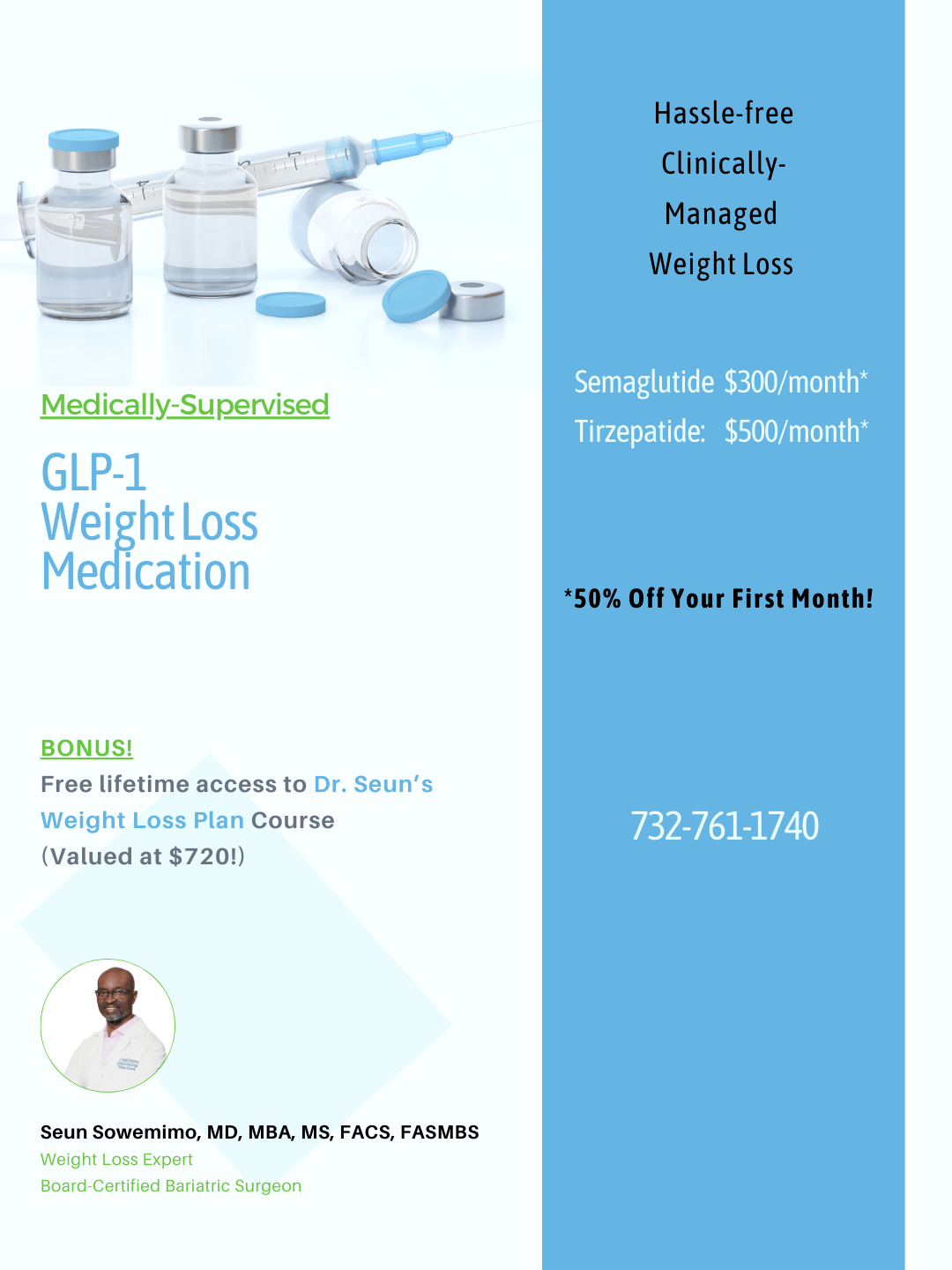
For appropriate patients, physician-supervised GLP-1 weight-loss medication may help regulate appetite and support clinically meaningful weight loss. People living with severe obesity or significant weight-related health conditions may benefit from exploring bariatric surgery in New Jersey.
These treatments are not substitutes for healthier habits. They are evidence-based tools that can make those habits more effective and sustainable.
People who have already lost weight should use this season to protect their results.
Our recent guide explains five ways to fight weight regain before a small change becomes significantly harder to reverse.
We are Not Waiting for January 2027 to Rescue Your Health

Ninety days from now, you can still be thinking about making a change—or you can have three months of progress behind you.
Set one meaningful goal. Create a repeatable weekly structure. Track the health indicators that matter and ask for medical guidance when your current strategy is not producing results.
Your January self will not need another resolution.
You will already be moving forward.

If you are ready to begin a medically informed weight-loss plan, evaluate weight regain or explore GLP-1 treatment or bariatric surgery, schedule an appointment with Prime Surgicare or call our weight loss team of experts at 732-761-1740.