
After medullary thyroid cancer ruled out GLP-1 medications for weight loss, a referral to Dr. Seun Sowemimo led a busy but determined Middlesex County mother to weight loss surgery.
For years, Patricia McDonnell believed she should be able to lose weight on her own.
“I went back and forth with this challenge, and the weight just continued to pile on, especially after my thyroid was removed,” she said.
The 55-year-old Middlesex County resident had survived medullary thyroid cancer and undergone removal of her thyroid and all four parathyroid glands. Her medical history made her ineligible for GLP-1 weight-loss medications.
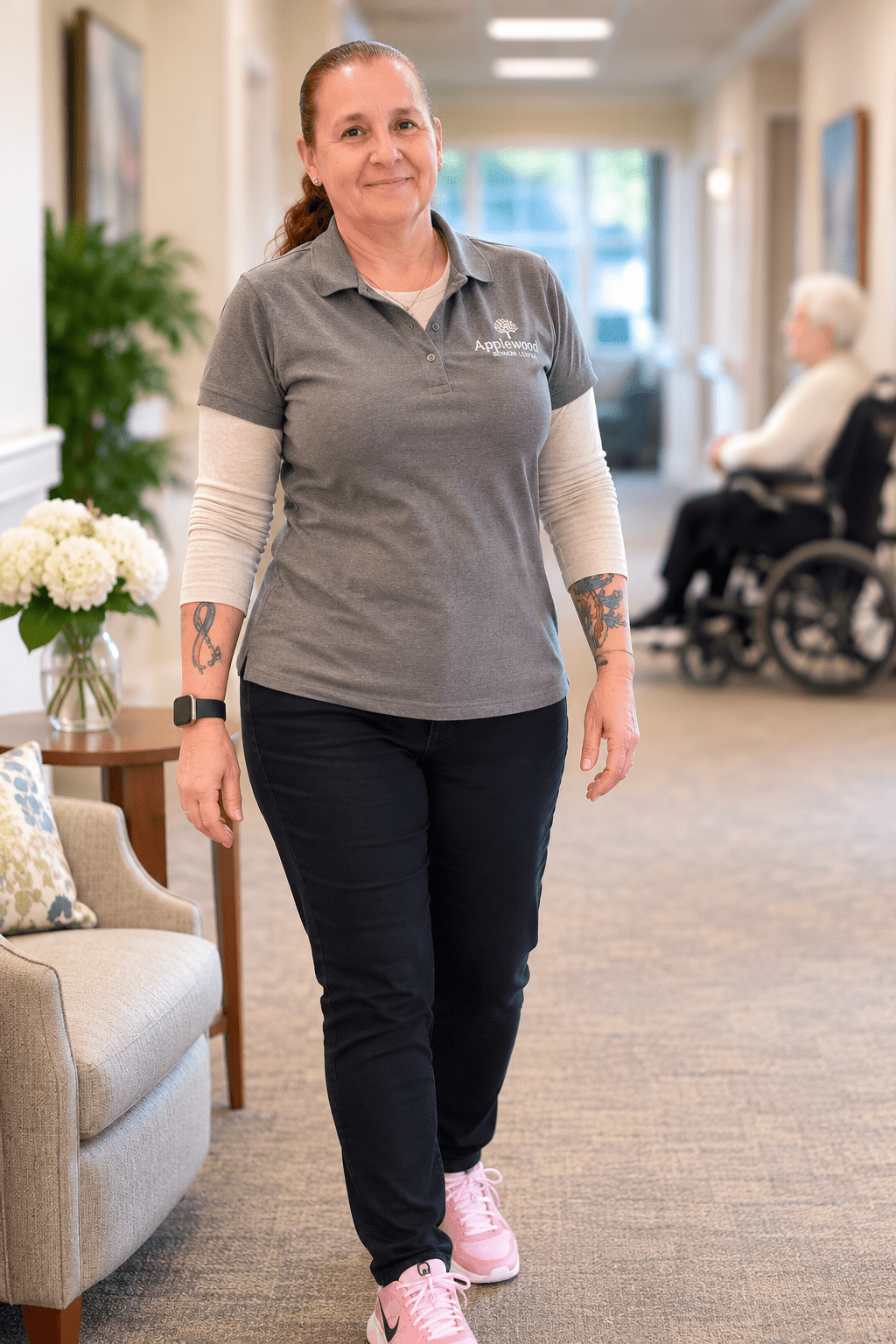
Meanwhile, her weight had reached 236 pounds, and debilitating knee and joint pain was interfering with two physically demanding careers. Patricia works full time as a senior shipping and receiving clerk and also works as a certified nursing assistant two weekends each month.
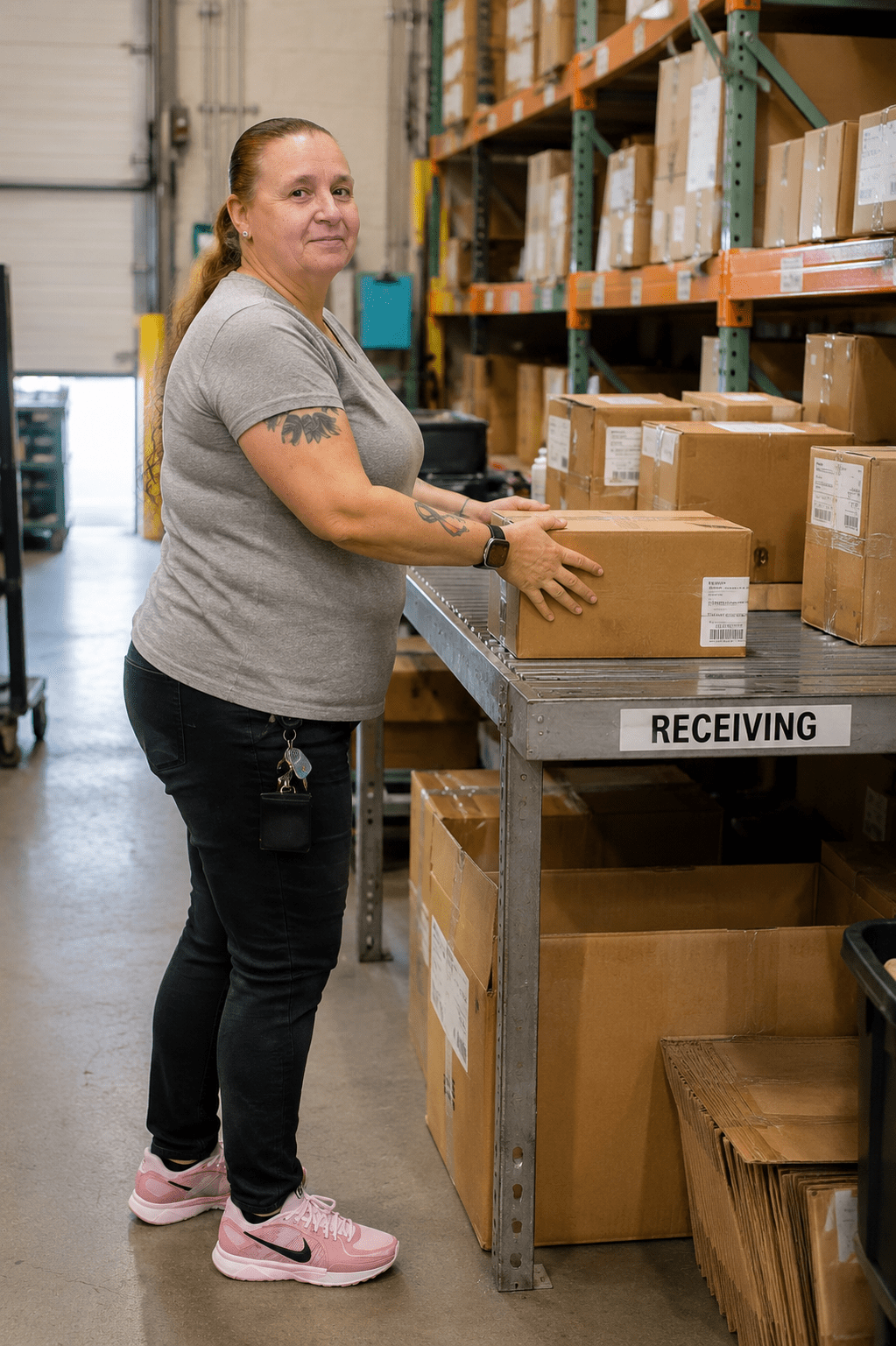
“When I would see my doctors, they would just remind me I needed to lose weight, but not offer any more guidance beyond that,” she said.
Her endocrinologist, Eric Winninger, MD, offered a more concrete path. He recommended Patricia meet with New Jersey board-certified bariatric surgeon Dr. Seun Sowemimo to discuss weight-loss surgery.
“At my first visit, I knew he was the doctor for me,” Patricia said. “He stated simply, ‘We’re going to get you healthy again.’”
A Complex Medical History, but No Surgical Complications
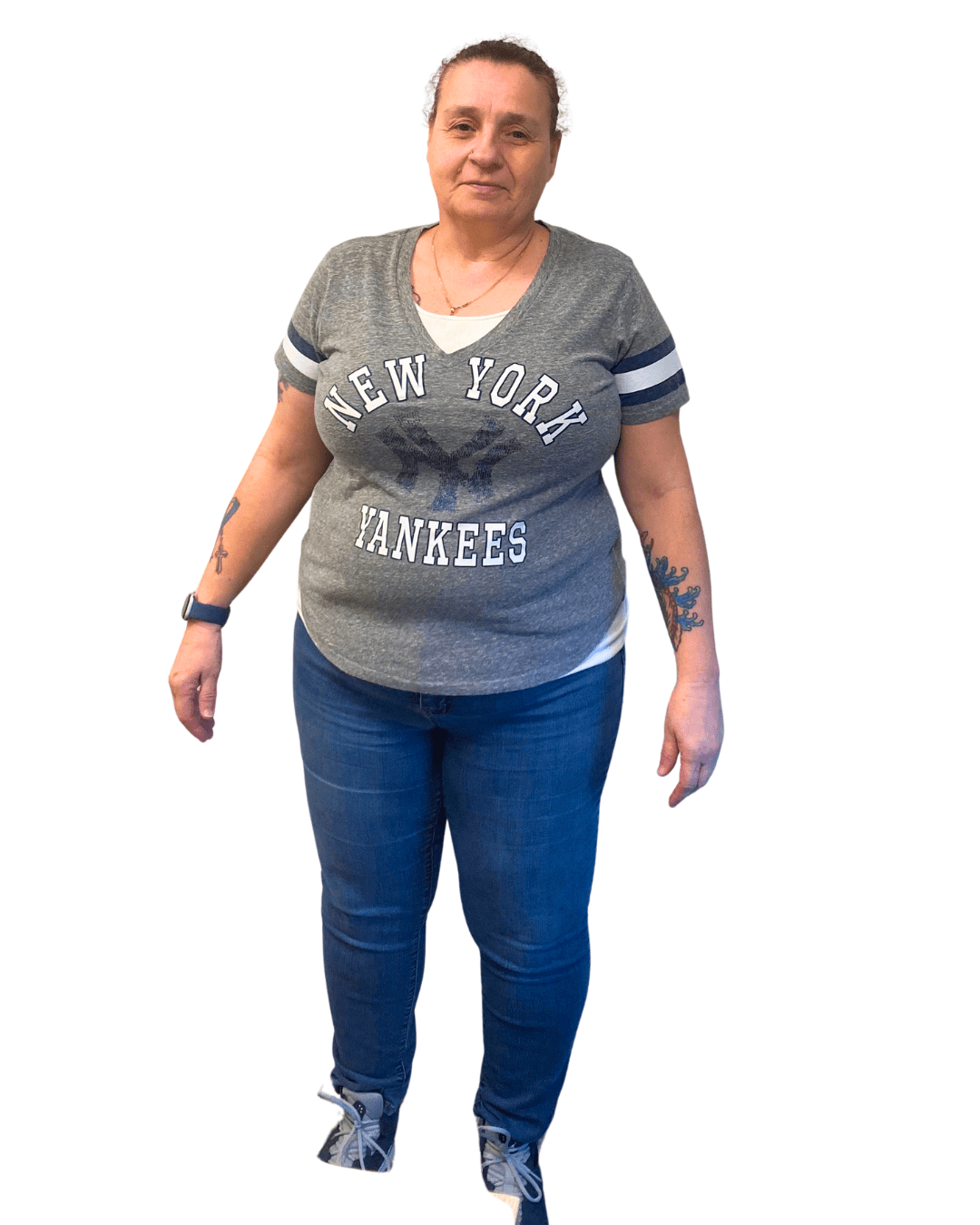
Patricia underwent minimally invasive gastric sleeve surgery in May 2025.
Her medical history included thyroid cancer, removal of her thyroid and parathyroid glands, and a blood clotting disorder. Even with those added considerations, she experienced no complications following surgery.
“Dr. Seun had me up and walking just a few hours after my minimally invasive gastric sleeve surgery,” she said.
Now, only a little more than one year later, Patricia has lost 90 pounds. She weighs 146 pounds at 5’ 5”, has a normal body mass index, and has gone from a size 18 to a size 10 and from an extra-large to a small.
Even more important, the knee and joint pain once making her workdays so difficult is gone. She no longer needs anti-inflammatory medication to control it.
Surgery Became the Beginning of a New Lifestyle
After raising three children and spending decades focused on everyone else, Patricia decided it was time to prioritize her own health.
“I changed my whole lifestyle after I had bariatric surgery,” she said. “Today, my nutrition is really focused on clean, organic eating.”
Before surgery, organic eating was not part of her routine. Dr. Sowemimo introduced her to whole-food, plant-based nutrition and encouraged her to examine not only calories but also the quality of the food she was eating.
Patricia now uses the Yuka app while grocery shopping. The app allows users to scan a product’s barcode and review its ingredients before placing it in the cart.
“It gives you a green light for a healthy choice or a red light to skip it,” she said.
Patients interested in learning more about this approach can also explore Dr. Seun’s Weight Loss Plan course, which offers practical guidance for building healthier, more sustainable eating habits.
Learning When to Stop Eating
Patricia also credits Prime Surgicare’s bariatric dietitian with helping her apply the post-operative nutrition plan to everyday life.
“I was always brought up believing you had to eat everything on your plate,” she said. “That was the era I was raised in. But in reality, you just need to stop eating when you are full.”
Changing this deeply ingrained habit was not easy.
“That was a very tough thing for me to overcome, but with help from my dietitian, I finally got there,” she said.
Her active lifestyle supports those nutrition changes. Patricia is on her feet throughout the day, lifting and moving freight at work. She participates in Zumba classes offered by her employer and lifts hand weights while watching television to maintain strength in her arms.
She believes eating well and staying active also helped her maintain a healthy appearance throughout a period of rapid weight loss.
“When you do it right, when you focus on your nutrition and keep moving, you don’t look unhealthy during the weight-loss period,” she said. “No one ever asked me if I were sick or said, ‘You look like you’re losing too much weight. Are you okay?’”
Patricia has observed a different experience among some people she knows who use GLP-1 medications, including a hollowed facial appearance. Her comments reflect her personal observations, not a criticism of medication-based weight-loss treatment, which remains an appropriate option for many patients.
“The Healthiest I Have Been Since High School”
Dr. Sowemimo said Patricia’s case required individualized planning because of her cancer history and blood clotting disorder.
“Gastric sleeve surgery gave Patricia an effective tool, but her success also reflects the work she has done since surgery,” explained Dr. Sowemimo. “Her commitment to whole-food nutrition, regular movement and long-term follow-up has helped her lose weight while strengthening her overall health. For a cancer survivor, maintaining a healthy weight and improving diet quality are important ways to support the healthiest possible future.”
After seeing her 90-pound weight loss in person recently, Dr. Winninger called Patricia a “star pupil.”
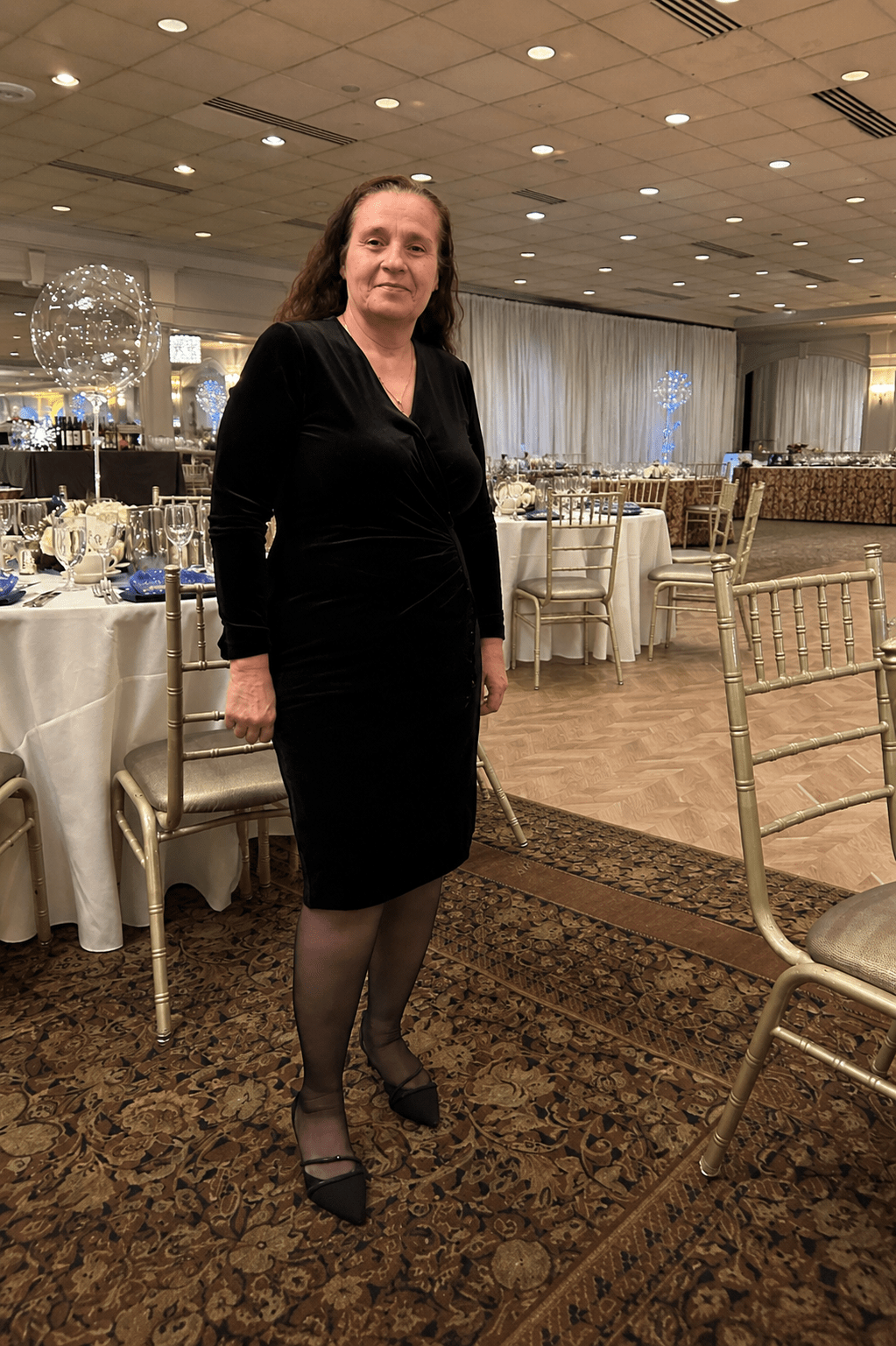
“I’m actually the healthiest I have been since high school,” she said. “In high school, I weighed 138 pounds, and if I still had my school clothes, I could probably fit into them. That’s a very big victory for me.”
Today, she readily recommends Dr. Sowemimo to people who compliment her weight loss or share their own struggles with obesity.
“Losing all of this weight is indescribable. It improves every single aspect of your life,” she said. “Dr. Seun and his team have been fantastic from the first day I met him.”
Is Surgical Weight Loss Right for You?
For people unable to achieve lasting weight loss through lifestyle changes alone—or those who cannot or choose not to use GLP-1 medications—gastric sleeve surgery may offer another path forward.
Patricia’s advice is direct:
“Don’t be afraid to change your life. It is never too late. Change can be good. I had the courage to do this, and it has been so worth it.”

To discuss if gastric sleeve surgery or another minimally-invasive surgical weight loss procedure may be appropriate for you, schedule a consultation with Dr. Seun Sowemimo and the experienced bariatric team at Prime Surgicare. Call 732-761-1740 for more information and to check your bariatric surgery insurance coverage.