

When chronic acid reflux, shortness of breath, and difficulty swallowing began limiting her active lifestyle, 72-year-old Jan Gara-Smith discovered that a hiatal hernia—not aging—was standing in her way. Today, after hiatal hernia repair with Nissen fundoplication, she’s back to doing what she loves most.
Last summer, Jan Gara-Smith found herself asking a question she never expected.
Why couldn’t she keep up?
At 72, the Ocean County resident had always been active. She routinely walked seven to eight miles a day, enjoyed gardening, and embraced an energetic lifestyle. But during the summer of 2025, she noticed something had changed.
She was becoming short of breath during her daily walks. Chest discomfort began creeping into her routine, and everyday activities became noticeably more difficult.
As a breast cancer survivor who had undergone chemotherapy and radiation, Jan’s primary care physician, Dr. Fiola Sowemimo, immediately recommended a cardiac evaluation. Fortunately, extensive testing found no evidence of heart disease.
With a cardiac cause ruled out, her physicians turned their attention to another possible explanation—one that had been developing quietly for nearly two decades.
The answer lay somewhere else.
When Heartburn Becomes Something More
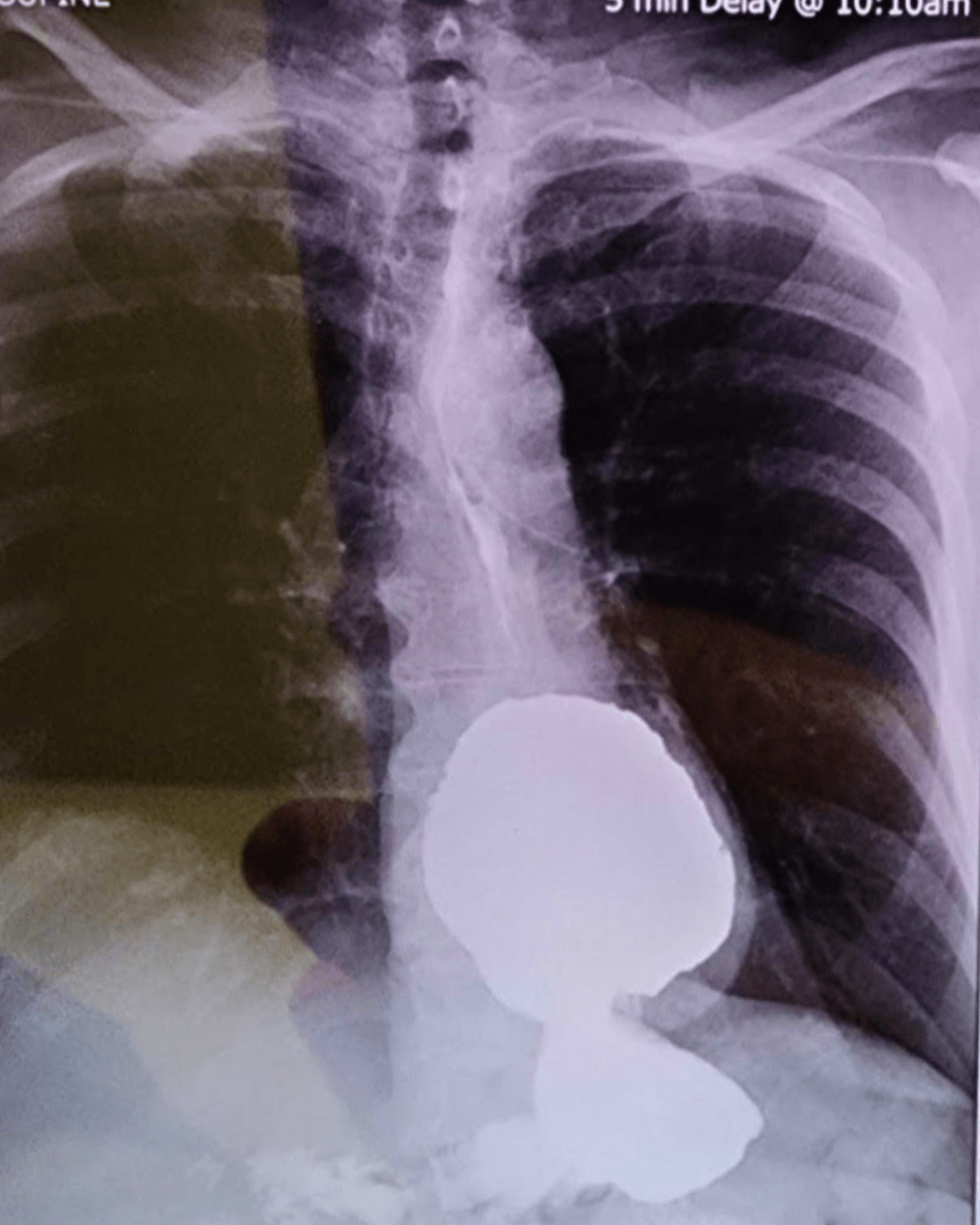
Jan had lived with a hiatal hernia for nearly 18 years. Over time, her chronic acid reflux had become a daily burden, causing persistent sore throat, discomfort, and eventually difficulty swallowing. Food often felt as though it became stuck.
Her gastroenterologist, Dr. Jared Gold, ordered an endoscopy study that revealed the real problem–
Nearly two-thirds of Jan’s stomach had herniated through the opening in her diaphragm into her chest, creating a large hiatal hernia that affected far more than digestion.
Dr. Gold recommended she consult Dr. Seun Sowemimo, MD, MBA, MS, FACS, FASMBS, a board-certified general and bariatric surgeon. The recommendation reinforced what Jan had already been hearing from another trusted source—her husband, John, a Patient Transporter at CentraState Medical Center who works closely with physicians and clinical staff every day.
“He has an outstanding reputation throughout the hospital,” Jan says. “When both my husband and my gastroenterologist recommended Dr. Sowemimo, I knew I was in the right place.”
A Better Recovery Than She Ever Expected
Dr. Sowemimo performed Jan’s hiatal hernia repair with partial fundoplication in January 2026. She spent one night in the hospital before returning home.
Like many patients, Jan admits she spent time researching the procedure online beforehand.
“The whole surgery went far better than I expected,” she says. “I consulted with Dr. Google before my operation and expected a plethora of problems. I didn’t get any of those. I didn’t have gas pain, which is especially common with abdominal surgery. In fact, I only took pain medication for one day. My pain was surprisingly manageable.”
Following Dr. Sowemimo’s instructions, Jan began walking the morning after surgery. Each day she gradually increased her distance.
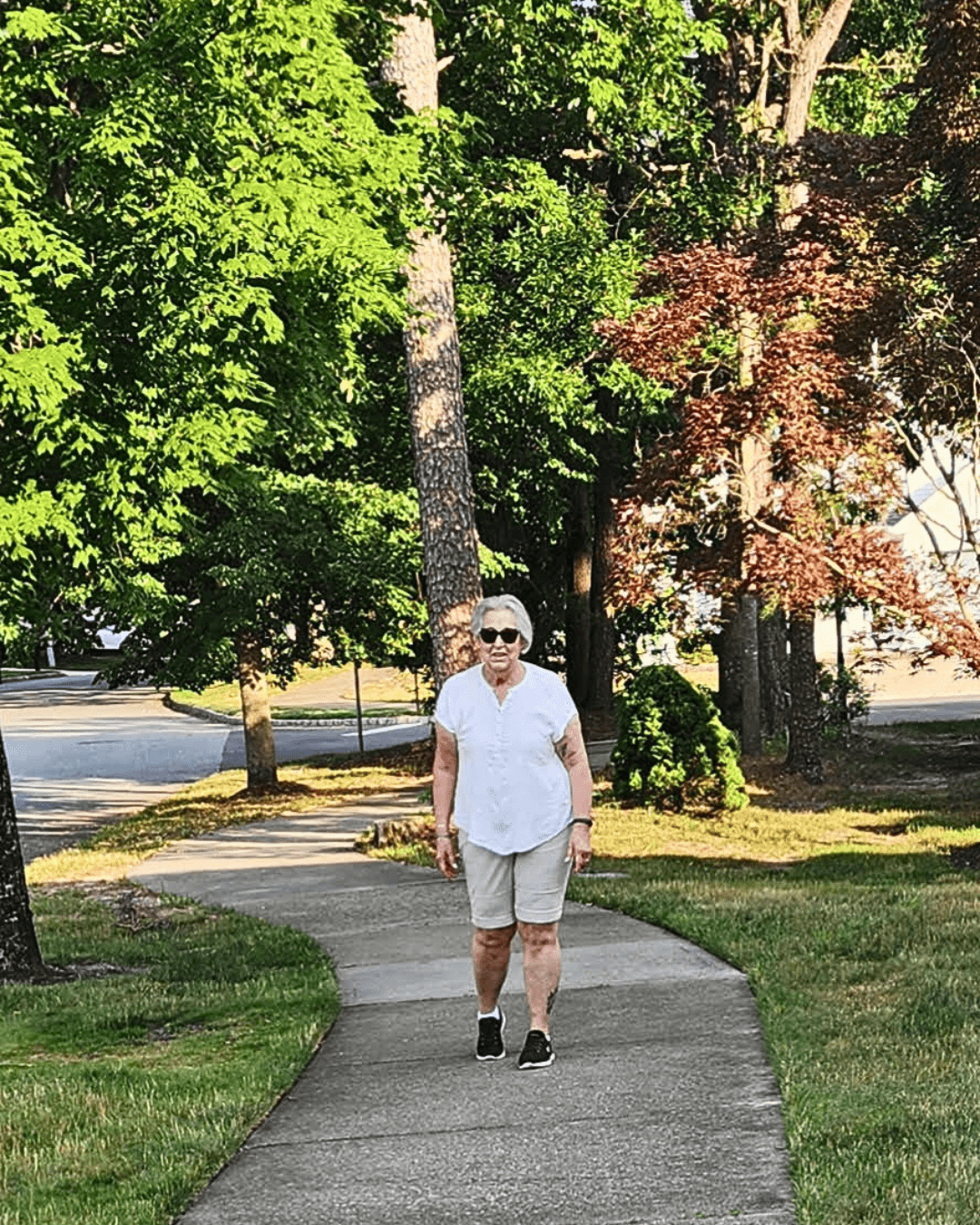
Five months later, she was back to walking five miles every day.
“I feel so much better. I’m no longer out of breath when I exercise. I realize now how important it is to keep moving physically and mentally. I also love living my life without the unpleasant symptoms of GERD.”
Dr. Sowemimo says Jan’s experience illustrates an important lesson for many older adults.
“Many people assume declining stamina or worsening reflux is simply part of getting older. Jan’s story reminds us that’s not always true. When surgery is appropriate, correcting a hiatal hernia can dramatically improve quality of life and help patients return to the activities they enjoy. You’re never too old to invest in your health.”
Surgery Was the Beginning—Not the Finish
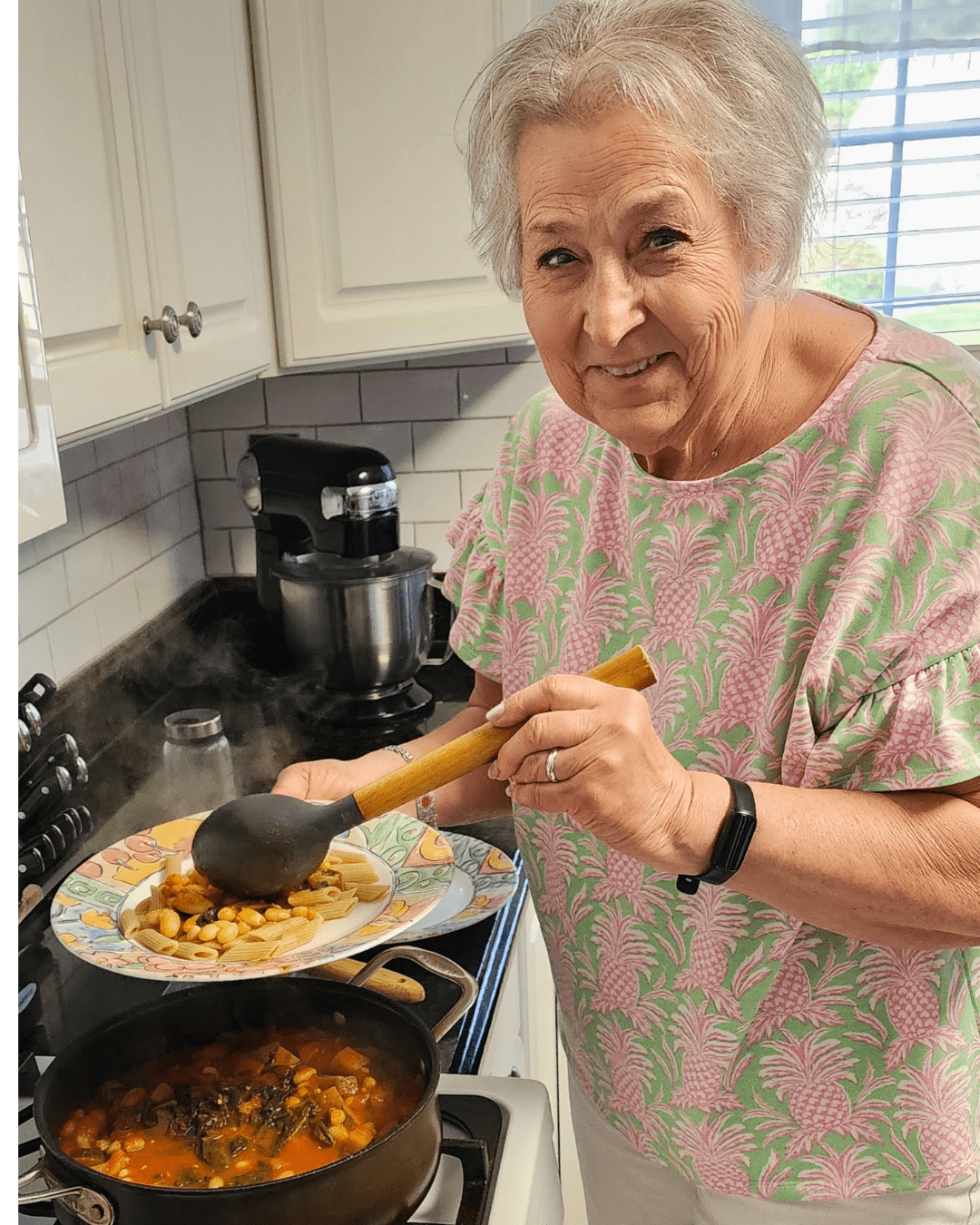
For Jan, the surgery wasn’t the end of her journey—it became the beginning of a healthier one.
Throughout her care, Dr. Seun Sowemimo encouraged her to think beyond repairing her hiatal hernia. Passionate about the role nutrition plays in preventing chronic disease, he challenged Jan to reconsider the foods she had eaten for decades.
She took his advice to heart:
- Instead of meals centered around meat and heavy foods, today Jan enjoys a diet built around beans, vegetables, fruit, and other whole, plant-based foods.
- She has eliminated drinking coffee.
- She no longer drinks alcohol.
These nutritional and lifestyle improvements changes have dramatically improved both her digestion and her energy.
“One of the things I love about Dr. Seun is that I can talk to him and never feel rushed,” Jan says. “I feel very comfortable with him, and I know that he has my best interests at heart. He encouraged me to completely rethink the way I eat, and I honestly don’t think I would have made these changes if he hadn’t brought it up.”
Jan says the transformation has exceeded anything she imagined.
“I can’t believe that I’m saying this, but I no longer miss meat and heavy foods that I ate for decades. I can’t tell you how much lighter and freer I feel now that I’m eating right and no longer burdened by my hernia.”
Although she lost about 10 pounds immediately after surgery, Jan says the greatest change has been how she feels every day.
“It’s not really about the weight. I have so much more energy every day. I sleep better without the caffeine and the acid reflux waking me up during the night.”
Why Dr. Sowemimo Encourages Lifestyle Changes After Surgery
Dr. Sowemimo believes surgery often creates an opportunity for patients to make lasting lifestyle improvements.
“Repairing Jan’s hiatal hernia restored her anatomy, but embracing a whole-food, plant-forward way of eating helped transform her overall health. Nutrition is one of the most powerful tools we have to reduce the risk of many chronic diseases, improve energy, and support healthy aging. It’s never too late to change the way you eat, and those changes can have benefits for years to come.”

Dr. Sowemimo teaches these same principles in Dr. Seun’s Weight Loss Plan, his self-paced online learning program that focuses on four core principles for lifelong weight management: whole-food, plant-based nutrition, calorie density, intermittent fasting, and sustainable lifestyle habits designed to improve long-term health—not simply lose weight.
Could Your Heartburn Be More Than Heartburn?
Large hiatal hernias are often mistaken for GERD alone because the symptoms frequently overlap.
While many hiatal hernias cause few symptoms, larger hernias may lead to chronic acid reflux, difficulty swallowing, chest discomfort, shortness of breath, or the sensation that food becomes stuck after swallowing.
If these symptoms persist despite medication, evaluation by an experienced surgeon may help determine whether surgical repair is appropriate.
Don’t Let Fear Keep You From Feeling Better
When asked what she would say to someone who has been delaying hiatal hernia surgery, Jan didn’t hesitate.
“I would tell anyone who’s putting off surgery that it’s not nearly as bad as you think it will be. The relief is well worth a few weeks of recovery.”
Today, Jan is back to walking five miles a day, tending to her garden, sleeping comfortably through the night, and enjoying a healthier lifestyle she never imagined just a year earlier. Looking back, she doesn’t dwell on the years she lived with her symptoms—she simply appreciates having her life back.
Schedule a Consultation with Dr. Sowemimo
If chronic acid reflux (GERD), difficulty swallowing, or a hiatal hernia is affecting your quality of life, schedule a prompt consultation with Dr. Sowemimo to discuss your treatment options.